
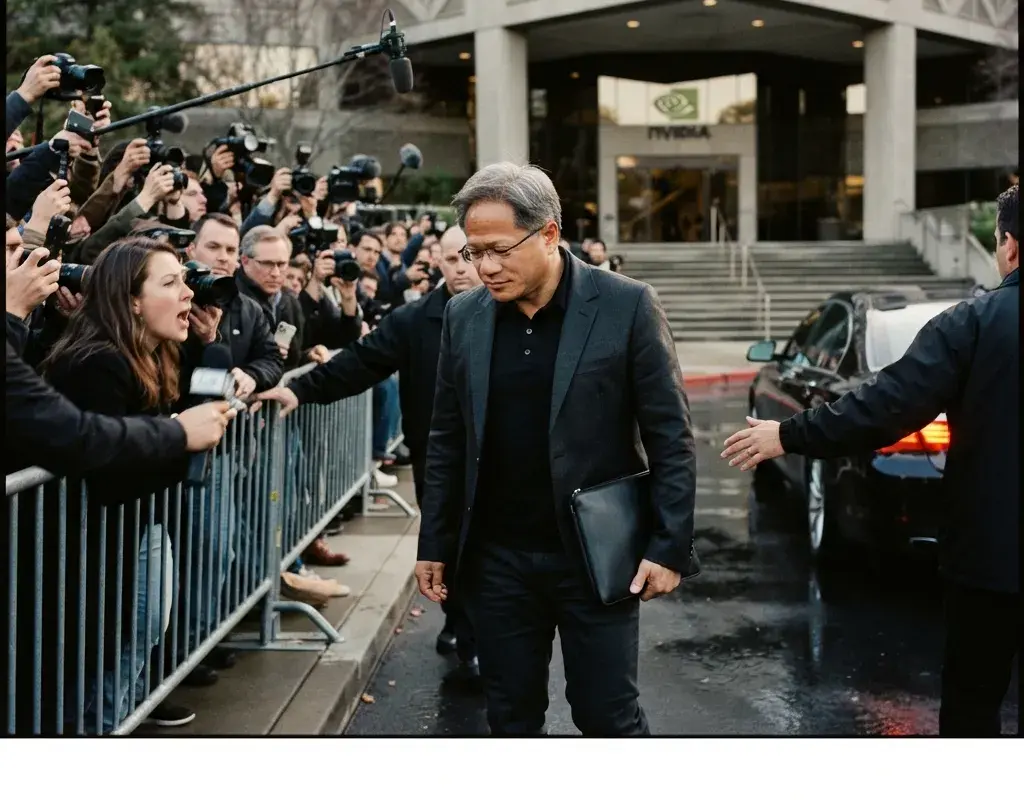
The artificial intelligence revolution has always felt less like a corporate climb and more like a kingdom governed by Jensen Huang. For years, the Nvidia chief served as both the technical mastermind and the industry’s unofficial central banker, weaving a complex web of financing and partnerships that pushed the entire sector forward. Now, following his abrupt resignation amid scandals involving personal misconduct and concerns over foreign intelligence targets, the industry finds itself staring into a massive vacuum. While Nvidia continues to produce the chips that power today’s leading models, the loss of Huang removes the singular animating force that turned hardware sales into a global financial engine.
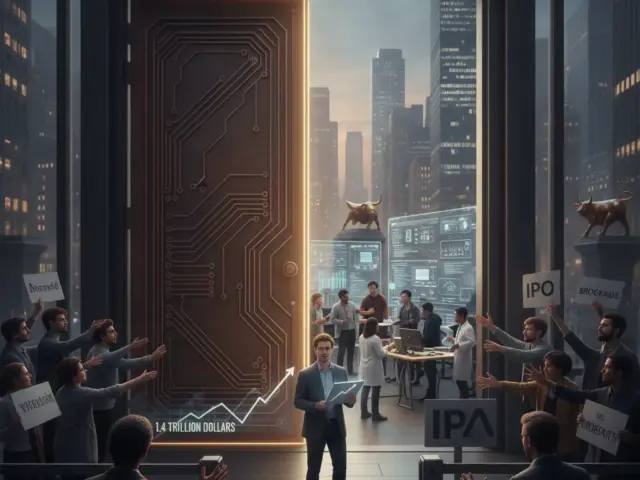
Huang did far more than sell graphics processing units; he engineered a system of circular financing that acted as a safety net for the AI boom. By investing in startups and providing revenue guarantees for neocloud providers like CoreWeave, he ensured that his customers had the capital necessary to keep buying his products. This aggressive strategy extended to staggering sums, including a promised 105 billion dollars for an OpenAI data center and efforts to mobilize half a trillion dollars by convincing major financial institutions to treat AI infrastructure as a legitimate asset class. With Huang gone, these fragile high-stakes agreements now face intense scrutiny and potential collapse.
The immediate fallout creates a precarious moment for smaller players who relied on Huang’s personal seal of approval to maintain investor confidence. In several instances, a few optimistic words from Huang were enough to stop stock slides and stabilize bond yields. CFO Colette Kress has stepped in as interim CEO to steady the ship, but analysts warn that managing balance sheets is not the same as possessing Huang’s rare blend of technological foresight and dealmaking aggression. As competitors like AMD and Broadcom circle, Nvidia must figure out how to remain the axis of the AI universe without its most powerful orbit.
Ultimately, the crisis exposes how dependent the current economic surge has been on one man’s willpower and reputation. While existing contracts should prevent an overnight crash, the long-term trajectory of AI expansion may slow as the era of creative vendor financing fades. The industry now waits to see if giants like Amazon or Google will step up to fill the role of capital allocator, or if the ecosystem Huang meticulously crafted will begin to fracture under the weight of its own ambition.