
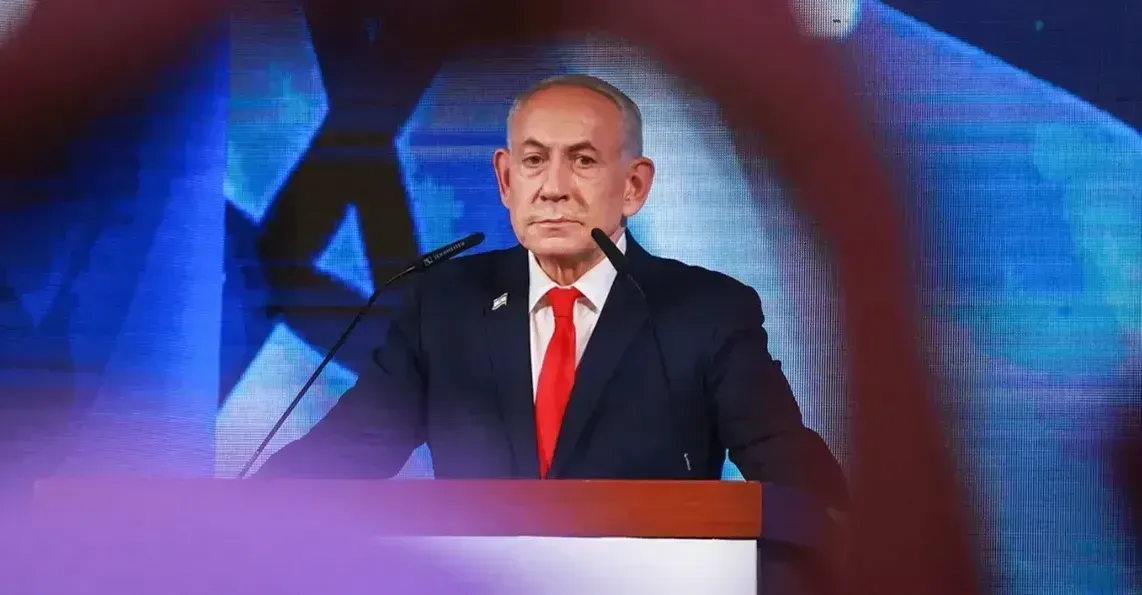
Israel is facing a political stalemate following the release of final election counts on Thursday, which reveal that neither Prime Minister Benjamin Netanyahu nor his primary challenger, Gadi Eisenkot, managed to secure enough support to lead the country. Netanyahu’s right-wing bloc captured 53 seats in the 120-member Knesset, a significant drop from the peak control they held in the previous parliament. Meanwhile, Eisenkot’s opposing bloc finished close behind with 48 seats. Because neither side reached the critical threshold of 61 seats required to form a government, the nation now enters a period of uncertain leadership.
The path forward rests with President Isaac Herzog, who will receive the certified results next Wednesday. Once the figures are official, Herzog will meet with various party leaders to determine which candidate possesses the most viable path toward building a working coalition. This process comes amid high tensions and a fragmented political landscape where traditional alliances seem increasingly fragile.
Adding another layer of complexity to the deadlock are the historic gains made by parties representing Israel’s Arab minority, who collectively won 19 seats thanks to record voter turnout. While these parties have emerged as potential kingmakers, both Netanyahu and Eisenkot have previously ruled out partnering with them. This refusal creates a mathematical paradox for anyone seeking power, though some smaller left-wing factions are already calling for an end to this exclusion to break the current impasse.
The campaign was marked by bitter accusations and claims of foreign meddling. Before voters headed to the polls, Netanyahu alleged that Qatari influence had played a role in supporting Arab candidates, prompting investigations by the Shin Bet security service. However, Qatar denied any involvement, and officials from the Central Elections Committee stated there was no evidence of systemic fraud or violations regarding electoral integrity. As the dust settles on Tuesday’s vote, Israel remains divided over how to bridge its deep internal rifts while searching for a stable governing majority.